
E-commerce
What Is Dropshipping? How to Start a Dropshipping Store in Vietnam

Want to sell online without tying up cash in stock, renting a warehouse or organising deliveries? Dropshipping is one of the most common ways to start. This guide covers how dropshipping works, its honest pros and cons, and six steps to launch in Vietnam.
What is dropshipping?
Dropshipping is a retail model where you sell products without holding inventory. When a customer orders from your store, the order goes to your supplier, who packs it and ships it straight to the customer. Your margin is the difference between your retail price and the supplier's price.
A dropshipping order runs in four steps:
- The customer orders and pays on your website, or chooses cash on delivery.
- You, or your system, pass the order to the supplier.
- The supplier packs and ships it.
- You reconcile the order, look after the customer and handle any returns.
The upside
- Low starting capital. You don't buy stock up front, so no cash sits on shelves.
- No warehouse. Storage and packing are the supplier's job.
- Easy product testing. Add or drop items quickly and keep what sells.
- Work from anywhere. All you need to run the store is an internet connection.
The trade-offs
- Thinner margins than buying in bulk, because per-unit supplier prices are higher.
- Supplier dependence. Product quality, delivery speed and stock levels are outside your direct control.
- Heavy competition. Other stores may sell the exact same product, so your brand and shopping experience are what set you apart.
- Messier returns, which involve the customer, you and the supplier.
Dropshipping isn't easy money. It lowers your capital risk so you can focus on what actually matters: finding customers and selling.
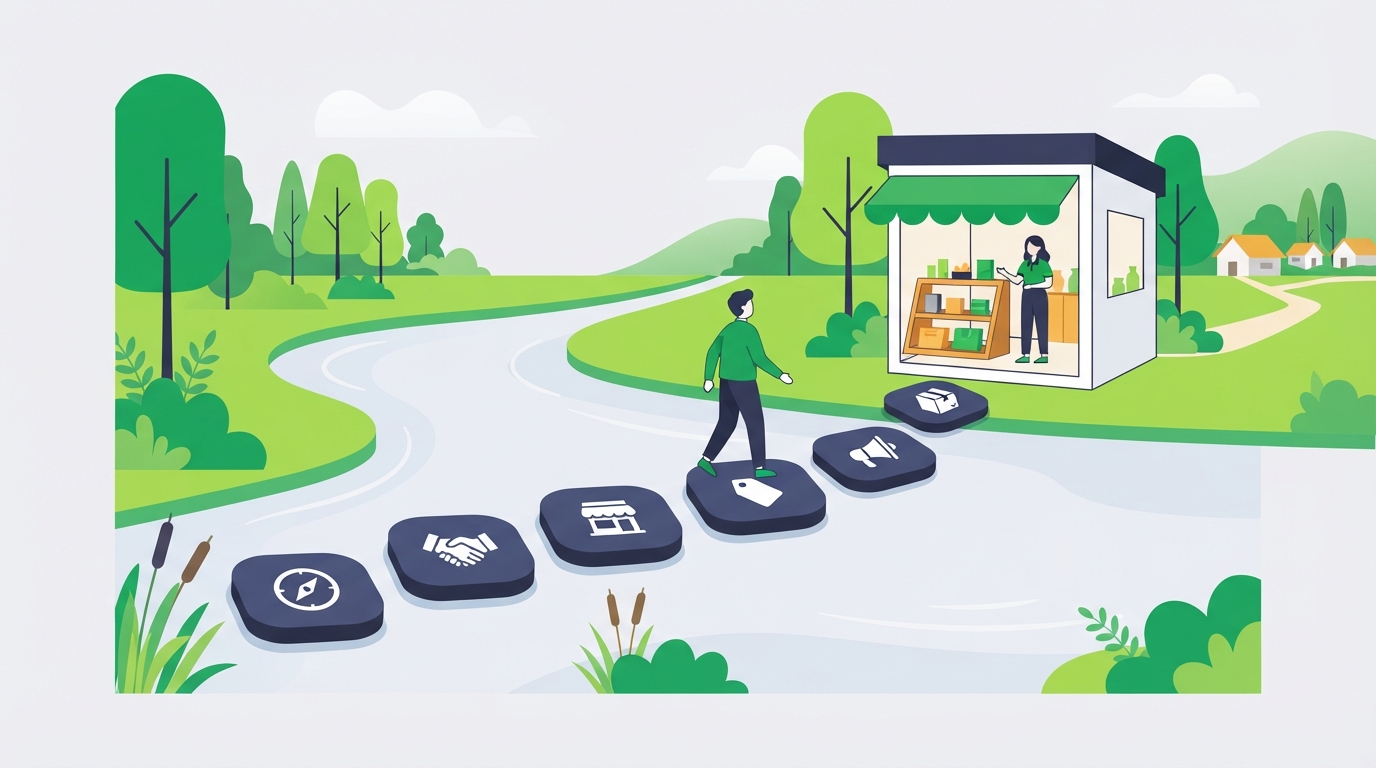
Six steps to start dropshipping in Vietnam
1. Pick a niche
Choose products you understand, with steady demand and easy to ship. Avoid categories that need special licences until you know the rules.
2. Vet your suppliers
Ask how often stock levels are updated, typical delivery times, the returns policy and how parcels are packed (can they carry your branding?). Place a few test orders yourself before you sell.
3. Build your store
Marketplaces bring early traffic, but your own website gives you the brand and the customer data. A good dropshipping site needs a clear catalogue, accurate prices and stock, a checkout that's easy on a phone, and order management to reconcile with suppliers.
4. Handle the legal side
In Vietnam, an e-commerce sales website must be notified to the Ministry of Industry and Trade, and you need the right business registration. Check the current rules, or ask your web partner to advise, before you launch.
5. Choose your channels
Combine your website with social media and marketplaces to reach customers where they already shop. The key is managing orders from every channel in one place, so you never sell more than your supplier has.
6. Run the store
Track orders daily, reconcile with suppliers, reply to customers quickly and keep returns simple. Cash on delivery is common in Vietnam, so confirming each order before passing it to the supplier helps cut failed deliveries.
Is dropshipping right for you?
It fits if you want to test a business idea on a small budget, or add product lines without adding stock. If you need tight control over quality or margins, mix the two: hold stock for best-sellers and dropship the rest.
Launch faster with Simplify
Simplify Technology builds online stores on Salify, our platform, with product, stock and order management, reconciliation, multichannel selling and a built-in dropshipping model. Your store can be live in 1–2 weeks, and our team keeps running it after launch.
See our e-commerce services · View pricing · Get a free consultation


